
Lower Your Blood Pressure Naturally
Discover how strategic dietary choices can help manage blood pressure and support cardiovascular wellness. Our editorial team explores the science-backed nutrients and foods that make a real difference.
The information on this site is for educational purposes only and does not constitute medical advice. Always consult a qualified healthcare professional before making health decisions.
The Science Behind Dietary Management
Blood pressure control through nutrition is grounded in decades of cardiovascular research. These four impact areas show why dietary choices matter.
Potential Reduction
Studies show dietary sodium reduction can significantly lower readings in many individuals.
Key Minerals
Potassium, magnesium, calcium, and others play crucial roles in cardiovascular function.
Dietary Patterns
DASH, Mediterranean, and plant-forward diets have strong research support.
Days to Adapt
Most people notice positive changes within 3 months of consistent dietary shifts.
Your 4-Step Dietary Transformation Path
A practical framework to reshape your eating habits and support cardiovascular health.
Assess Your Current Intake
Start by tracking what you eat for one week. Note sodium levels, processed foods, and your favorite beverages. This baseline helps identify patterns and opportunities for meaningful change. Understanding where you are now is the foundation for sustainable progress.
- Log meals and drinks daily
- Note sodium content where available
- Identify processed food sources
Reduce Sodium Gradually
Sudden sodium restriction can feel overwhelming. Instead, reduce by 10-15% each month. Replace salt with herbs, spices, and natural seasonings. Your taste buds adapt quickly, and within weeks you'll find processed foods taste overly salty. This gradual approach improves adherence and comfort.
- Cook more meals at home
- Use fresh herbs instead of salt
- Choose low-sodium canned goods

Prioritize Key Minerals
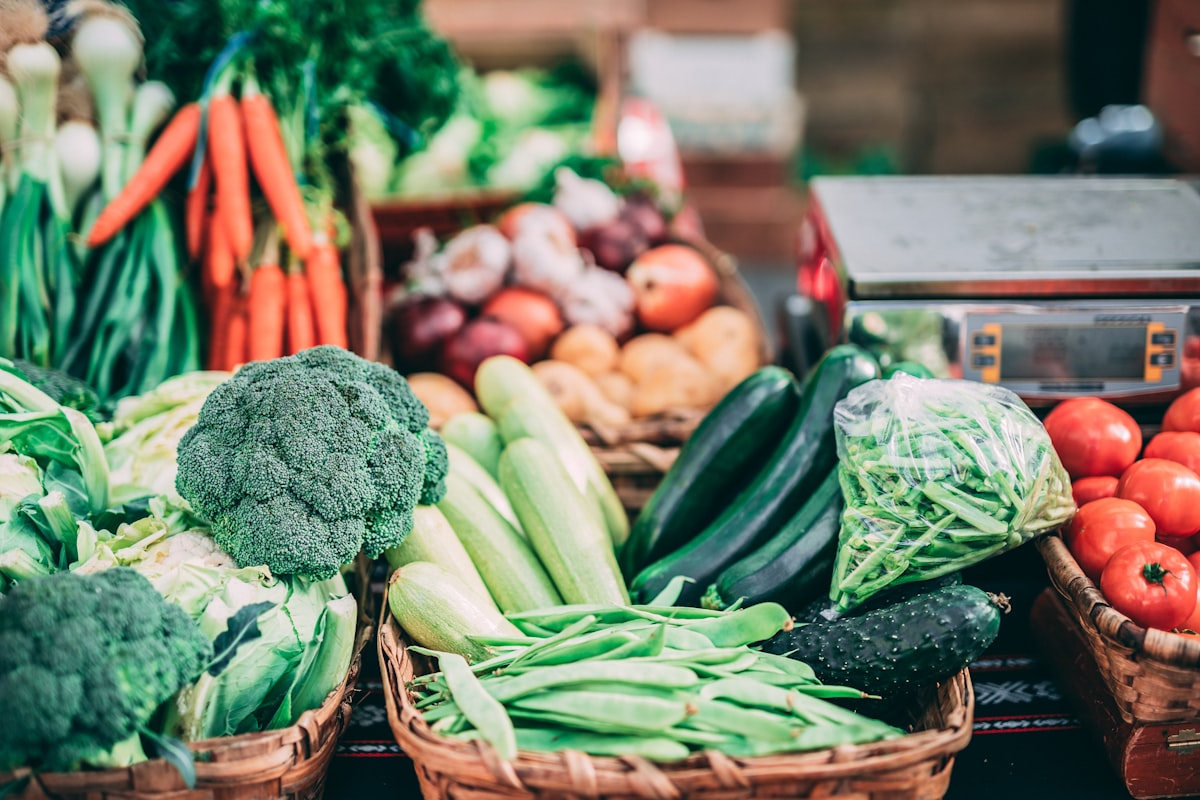
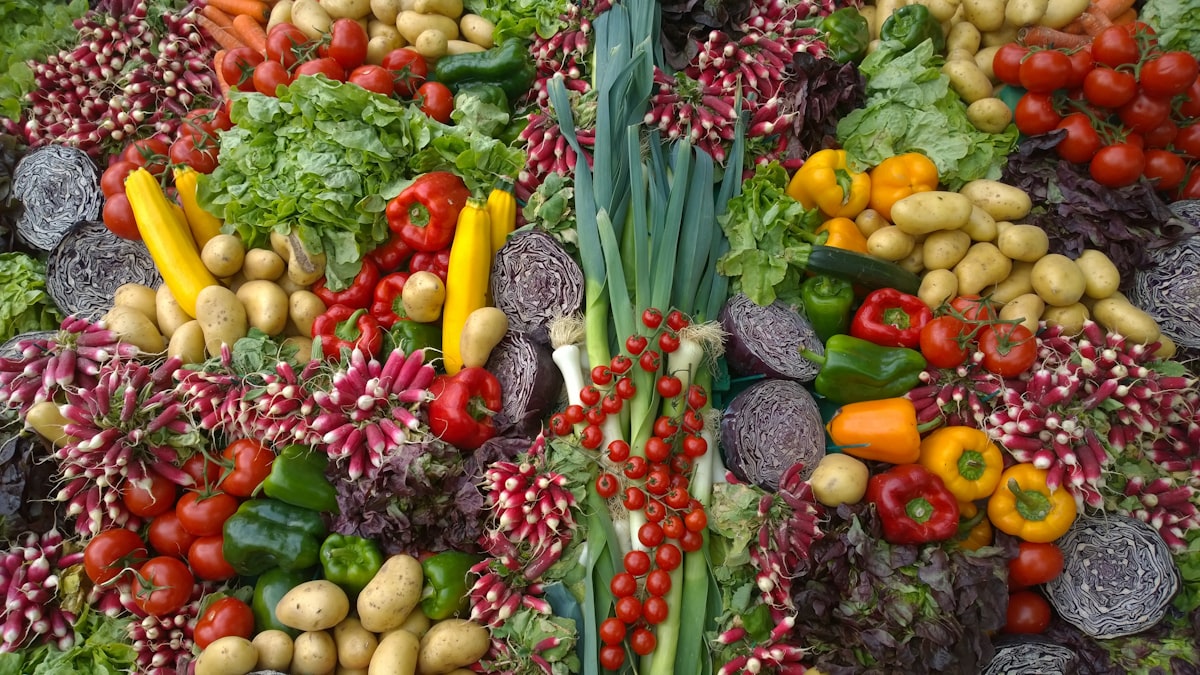
Potassium, magnesium, and calcium support healthy vascular function. Leafy greens, legumes, nuts, seeds, and low-fat dairy are nutrient powerhouses. Aim to fill half your plate with vegetables and fruits at each meal. These whole foods provide fiber and antioxidants alongside blood pressure-supporting minerals.
- Include leafy greens daily
- Eat beans and legumes 3-4 times weekly
- Add nuts and seeds to meals
Monitor and Sustain
Track your progress every 4 weeks. Note energy levels, how you feel, and any dietary patterns that work well for you. Build a collection of favorite recipes and eating habits that feel sustainable long-term. Consistency matters more than perfection—small daily choices compound into meaningful results over months and years.
- Keep a food and wellness journal
- Try new recipes monthly
- Share success stories and tips
Key Nutrients That Matter Most
Understanding which nutrients support cardiovascular health helps you make informed dietary choices.
Potassium
Potassium helps counteract sodium's effects and supports healthy blood vessel function. This mineral is abundant in bananas, sweet potatoes, spinach, beans, and avocados. Adults typically benefit from 2,600–3,400 mg daily, though individual needs vary. Research consistently shows that adequate potassium intake is associated with better cardiovascular outcomes.
Top sources: spinach, beans, potatoes, almonds, salmon
Magnesium
Magnesium regulates muscle and nerve function, including blood vessel relaxation. This essential mineral is found in pumpkin seeds, almonds, spinach, and whole grains. Women need about 310–320 mg daily, men 400–420 mg. Magnesium deficiency is linked to elevated blood pressure, making adequate intake an important dietary goal.
Top sources: pumpkin seeds, dark chocolate, almonds, cashews, brown rice
Calcium
Beyond bone health, calcium plays a critical role in blood pressure regulation through vascular smooth muscle function. Low-fat dairy, fortified plant milks, leafy greens, and tofu are excellent sources. Adults need 1,000–1,200 mg daily. Studies indicate that calcium-rich diets, especially when combined with adequate potassium and magnesium, support optimal cardiovascular function.
Top sources: yogurt, cheese, sardines, kale, fortified plant milk
Fiber
Dietary fiber supports heart health by improving cholesterol profiles and promoting healthy weight. Both soluble fiber (oats, beans, apples) and insoluble fiber (whole grains, vegetables) play important roles. Aim for 25–30 grams daily from whole foods. Higher fiber intake is consistently linked to lower cardiovascular risk and better blood pressure control.
Top sources: oats, lentils, berries, whole wheat, vegetables
Antioxidants
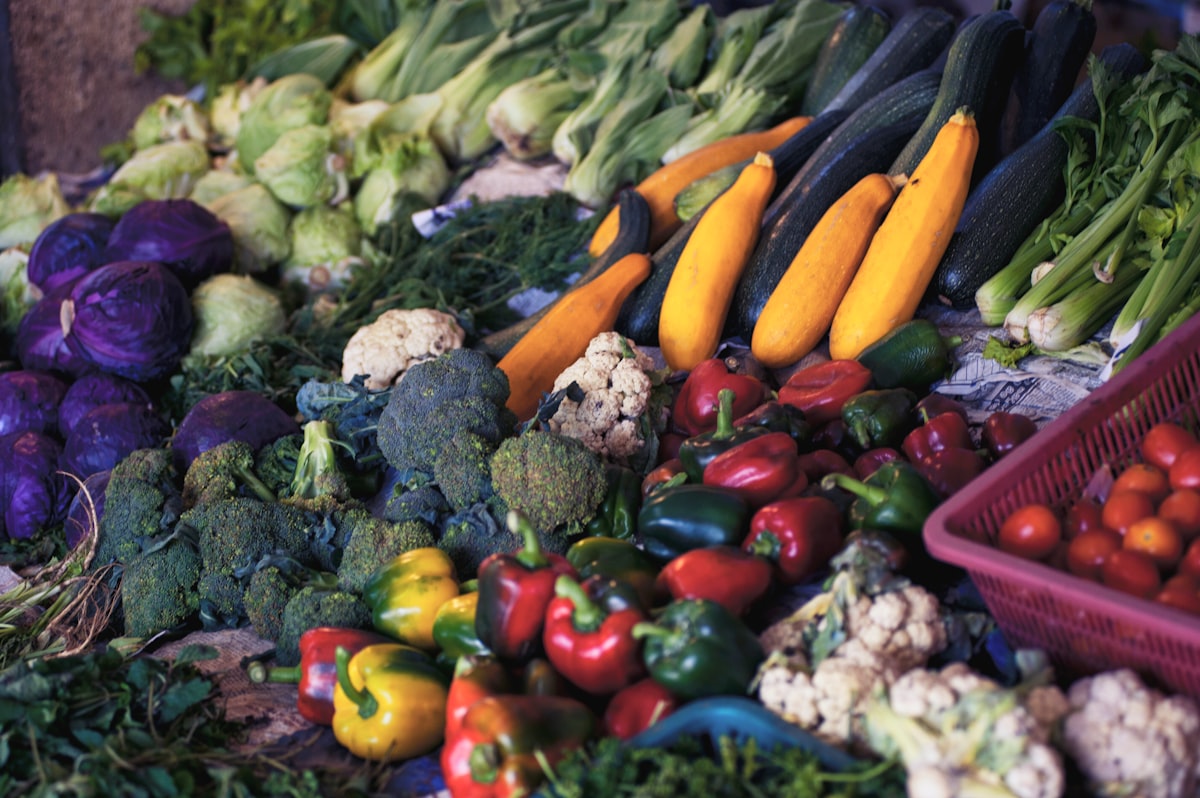
Vitamins C and E, beta-carotene, and polyphenols protect blood vessels from oxidative stress. Colorful fruits and vegetables—berries, tomatoes, sweet peppers, broccoli—are natural sources. Green and black teas also provide beneficial compounds. These antioxidants reduce inflammation and improve vascular function, supporting long-term cardiovascular wellness.
Top sources: berries, citrus, spinach, green tea, dark chocolate
Omega-3 Fatty Acids
These heart-healthy fats reduce inflammation and support healthy triglyceride levels. Fatty fish like salmon, mackerel, and sardines are excellent sources, as are flaxseeds, chia seeds, and walnuts. Aim for 2–3 servings of fish weekly or include plant-based sources daily. Omega-3s contribute to overall cardiovascular wellness and healthy blood pressure.
Top sources: salmon, mackerel, sardines, flaxseeds, chia seeds, walnuts
Blood Pressure Friendly Meal Showcase
Visual inspiration for meals that combine all the nutrients your cardiovascular system needs.
Mediterranean Salad
Fresh greens, olive oil, tomatoes, and feta. Rich in potassium, antioxidants, and heart-healthy fats. A simple, delicious foundation for cardiovascular wellness.
Key nutrients: Potassium, Antioxidants, Calcium

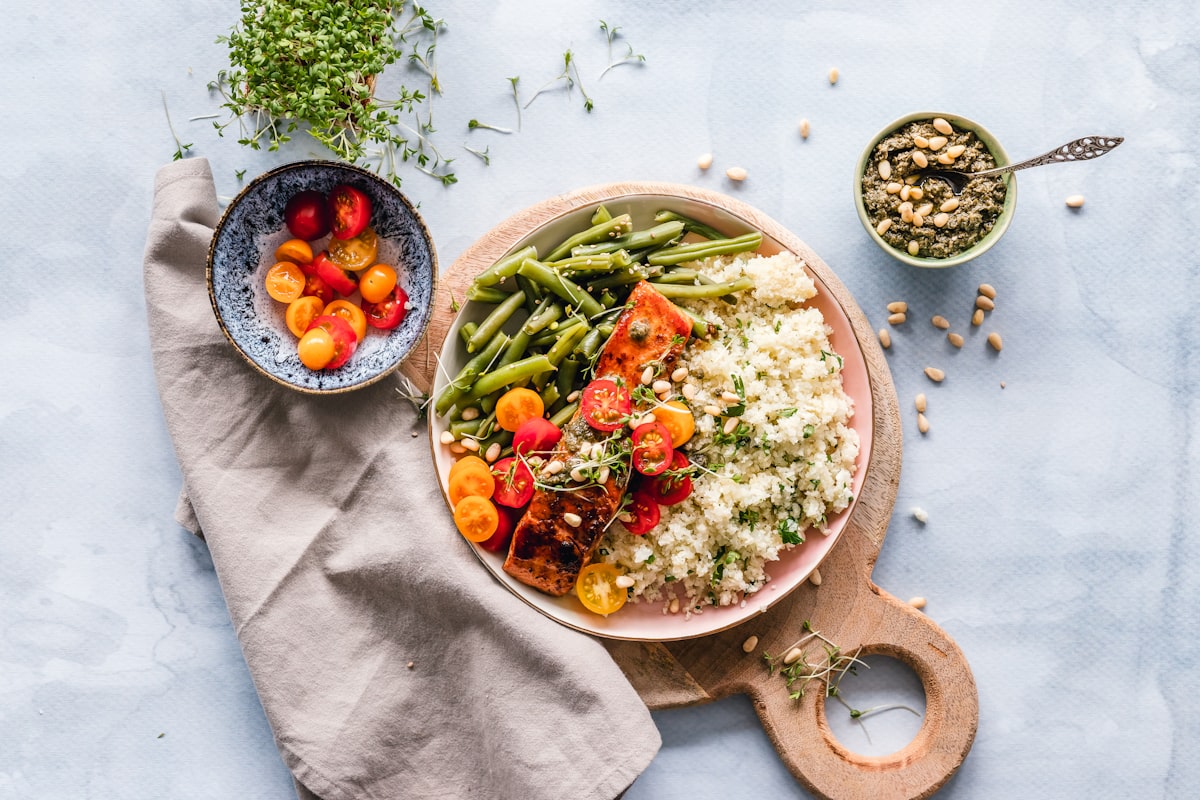
Grilled Salmon Dinner
Omega-3 rich salmon paired with roasted sweet potatoes and leafy greens. Low in sodium, high in protective compounds. An excellent weekly meal option.
Key nutrients: Omega-3s, Potassium, Magnesium

Whole Grain & Legume Bowl
Brown rice with beans, roasted vegetables, and avocado. Plant-based protein, abundant fiber, and mineral-rich. Satisfying and heart-supportive.
Key nutrients: Fiber, Potassium, Magnesium
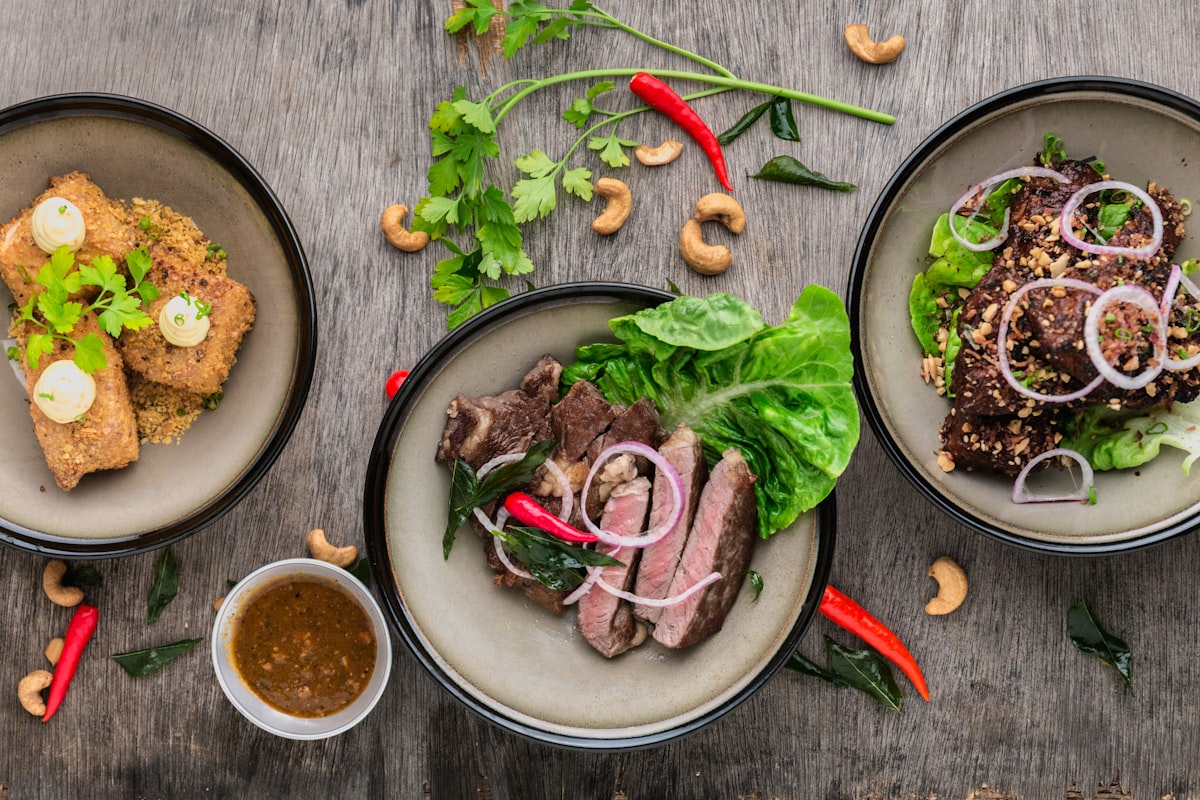
Spinach Herb Omelet
Egg whites with spinach, mushrooms, and fresh herbs. Low sodium, protein-rich, and loaded with folate and magnesium for morning nutrition.
Key nutrients: Magnesium, Calcium, Folate
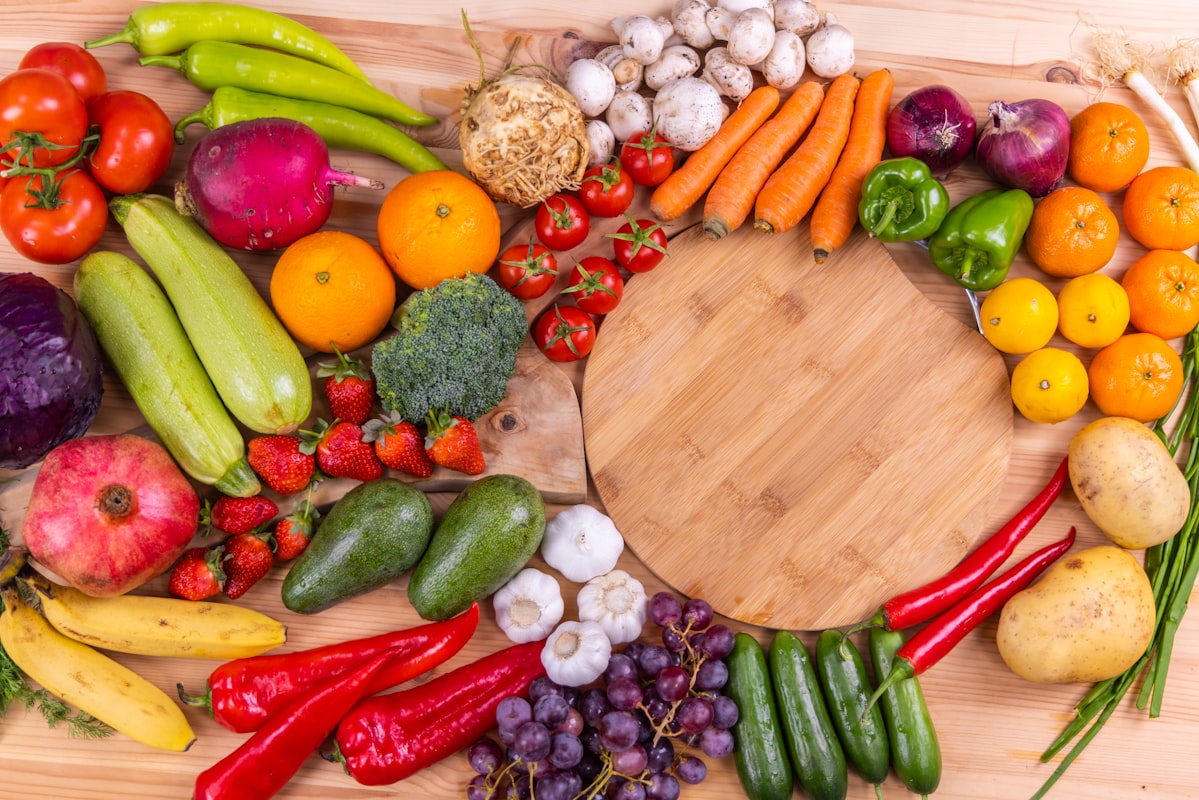
Antioxidant Berry Smoothie
Blended berries, unsweetened yogurt, almonds, and ground flaxseed. Quick, portable, and packed with antioxidants and omega-3s for cardiovascular support.
Key nutrients: Antioxidants, Omega-3s, Calcium

Garlic Broccoli Side
Steamed broccoli finished with garlic and a drizzle of olive oil. Simple, nutrient-dense, and versatile. Perfect accompaniment to any heart-healthy main course.
Key nutrients: Potassium, Calcium, Folate
Real Stories from Real People
Readers share how dietary changes have supported their wellness journey.
"Within three months of following the DASH approach and gradually reducing processed foods, my dietary habits transformed. I feel more energetic, my readings improved noticeably, and I discovered that home-cooked meals can be delicious and quick. The key was making changes slowly enough that they stuck."
Ricky Wijaya
Bandung, Indonesia — Health Writer
"The recipe collection really helped me see that eating for heart health doesn't mean boring food. I've tried the Mediterranean salad variations and salmon ideas multiple times. My family even asks for seconds now!"
Siti Nurhaliza
Jakarta — Nutrition Enthusiast
"I appreciate how this site explains the 'why' behind each nutrient. Understanding that potassium and magnesium actually do something concrete made me committed to eating more vegetables and beans. The step-by-step approach felt manageable."